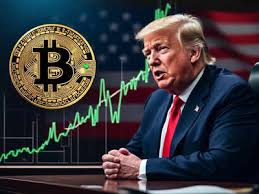
Meme Coins: The Wild West of Crypto, Bolstered by SEC Ruling
In 2024, the meme coin phenomenon took the cryptocurrency world by storm, drawing massive attention from both investors and critics alike. Whether it’s the wildly popular Dogecoin, the controversial Trump Tokens, or the short-lived LIBRA, the meme coin market has continued to captivate the imagination of traders, while also raising serious questions about the future of digital assets.
A recent ruling by the U.S. Securities and Exchange Commission (SEC) further complicates the situation, leaving investors and regulators alike wondering: can the meme coin circus continue its wild ride, or is it destined to crash and burn?
The Rise and Fall of Meme Coins: A Crypto Frenzy
A Wild, Untamed Market
The meme coin craze is not a new concept in the cryptocurrency market. These tokens, often created as a joke or parody, have turned into some of the most traded assets in the space. From Bitcoin’s meteoric rise to the boom of altcoins like Solana and Cardano, the meme coin sector has both fascinated and frustrated investors.
Platforms like Pump.Fun have made it easier than ever to launch new tokens, giving retail traders, influencers, and even institutional players a chance to cash in on what is essentially digital gambling. The dream? A huge, life-changing return. The reality? Many are left with empty pockets, a trend that has led critics to label the meme coin space as a distraction from more serious, valuable projects in the crypto sector.
For example, the Official Trump token — launched shortly before the U.S. presidential inauguration — generated significant buzz but quickly lost value. The token, aimed at capitalizing on the political celebrity of Donald Trump, was widely criticized by the crypto community as a “grift” rather than a legitimate investment. Within days, its value plummeted, with more than $2 billion collectively lost by over 800,000 investors.
Meme Coins and Politics: A Controversial Mix
The intersection of meme coins and politics has only intensified the controversy. Donald Trump’s launch of the Official Trump token exemplified how politicians can leverage the crypto space for personal gain, a trend that worries critics who are concerned about transparency and potential foreign influence in U.S. politics.
In Argentina, the Libra token, promoted by President Javier Milei, skyrocketed to $4.50 before crashing. This marked a global trend in the intersection of meme coins and political figures — adding another layer of complexity to an already contentious issue.
The SEC’s Recent Ruling: A Green Light for Meme Coins?
SEC’s Stance: Meme Coins Not Securities
On February 27, 2025, the SEC clarified its position on meme coins, ruling that they are not securities but rather digital collectibles. This move comes after months of speculation about whether meme coins, which have gained popularity and market capitalizations in the billions, should be regulated like traditional financial securities.
According to the SEC’s ruling, meme coins do not meet the criteria for securities and, as such, will not be subject to the same regulatory requirements that apply to stocks, bonds, or even altcoins like Bitcoin and Ether. This decision leaves a massive gap in the regulatory framework, one that meme coin creators and investors are eager to exploit.
The SEC’s warning, however, is clear: meme coins are highly volatile, and their market price swings can lead to significant losses for uninformed traders. Despite this caution, the ruling essentially gives a green light to the creation of even more meme coins, possibly fueling the next wave of token launches.
Critics of the SEC’s Hands-Off Approach
Critics of the SEC’s approach argue that the Commission’s hands-off stance could contribute to further market instability. While some believe that meme coins are a distraction and could tarnish the reputation of the crypto industry, others view them as an essential part of crypto’s overall growth. The lack of oversight in meme coin markets could lead to more instances of scams, manipulation, and investor losses — all of which undermine trust in the crypto ecosystem as a whole.
One notable critic, Lyn Alden, founder of Lyn Alden Investment Strategy, warned that the increasing popularity of meme coins could harm the broader crypto market. “The same bearish [traditional finance] accounts that dismissed Bitcoin due to mostly unrelated ICOs, DeFi, and NFTs, will now dismiss it due to meme coins,” she said, referring to the perception that meme coins distract from more important technological advancements in blockchain.
Legislative Pushback: The MEME Act
Lawmakers Begin to Take Action
On the legislative front, there has been significant pushback against meme coins. In February, Rep. Sam Liccardo, a Democrat from California, introduced the MEME Act (Modern Emoluments and Malfeasance Enforcement Act), which aims to block U.S. government officials from creating or sponsoring their own meme coins.
This bill is designed to prevent any future political figures from capitalizing on the meme coin market for personal gain. The MEME Act’s proposal raises concerns about transparency, insider trading, and improper foreign influence. Trump’s token, which was launched prior to his inauguration, sparked the idea for this bill, as many feared that politicians could use meme coins to circumvent political corruption laws.
While the bill is currently in its early stages, it could eventually become a major point of contention in the ongoing debate about cryptocurrency regulation.
The Political Backlash Against Meme Coins
The official backlash against Trump’s Official Trump token has been particularly intense. The launch of the token not only raised questions about political transparency but also fueled concerns about foreign actors using meme coins to exert influence over U.S. officials.
Critics argued that the token was nothing more than a financial scheme designed to enrich the Trump family, especially in light of the Foreign Corrupt Practices Act, which Trump’s executive orders temporarily suspended.
Will Meme Coins Survive the Regulatory Scrutiny?
The Future of Meme Coins: Bubble or Evolution?
The SEC ruling and the MEME Act proposal are clear signs that meme coins are not going unnoticed by regulators. While the SEC has opted not to regulate meme coins for now, their volatility and speculative nature continue to attract both investor interest and regulatory scrutiny.
Some experts believe that the meme coin market will eventually settle down, much like the ICO boom or the NFT market. Vitalik Buterin, the co-founder of Ethereum, suggested that the downsides of the ICO boom were addressed by the rise of DeFi solutions. Similarly, the meme coin market might mature as well, with more innovative and legitimate projects emerging from the chaos.
However, until that happens, the meme coin circus will likely continue to thrive. More tokens will be launched, more fortunes will be made (and lost), and the debate around the legitimacy and ethics of meme coins will only intensify.
Is the Meme Coin Trend Here to Stay?
Meme coins represent the chaotic, speculative side of cryptocurrency, attracting both detractors and die-hard enthusiasts. With the SEC stepping back from regulating these tokens and new legislative proposals like the MEME Act gaining traction, the future of meme coins remains uncertain. As the market evolves and matures, it’s possible that meme coins will carve out a legitimate niche in the broader crypto ecosystem — but until then, the wild ride of volatility and controversy will likely continue.
Disclaimer: The above press release has been provided by a third party. We do not verify or endorse the content and will not be responsible for any inaccuracies, claims, or damages arising from the same.